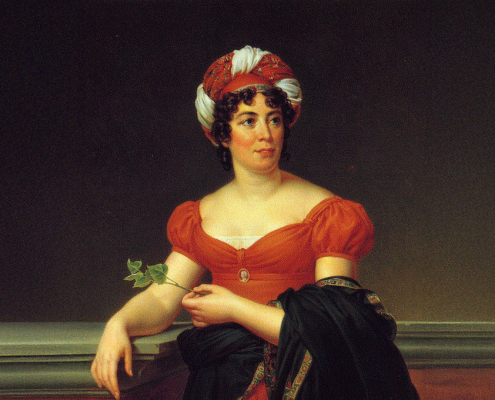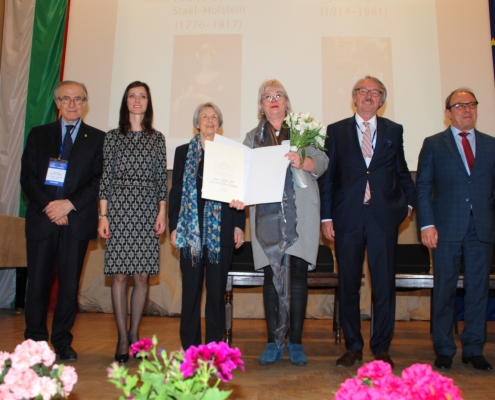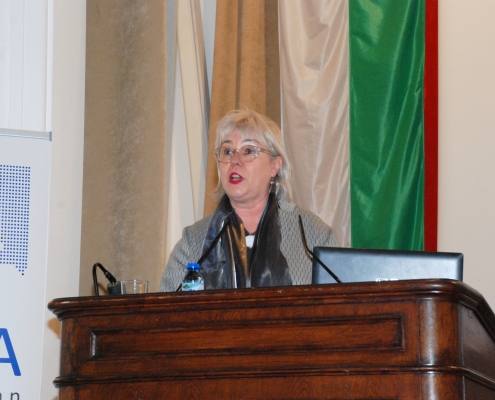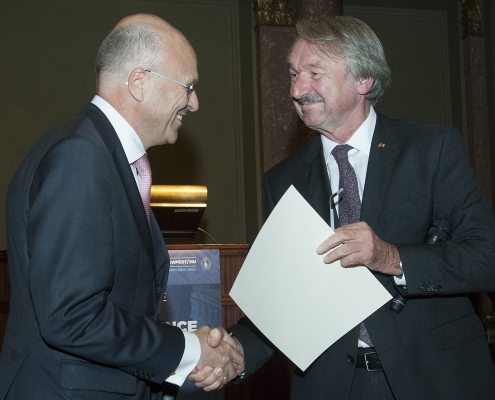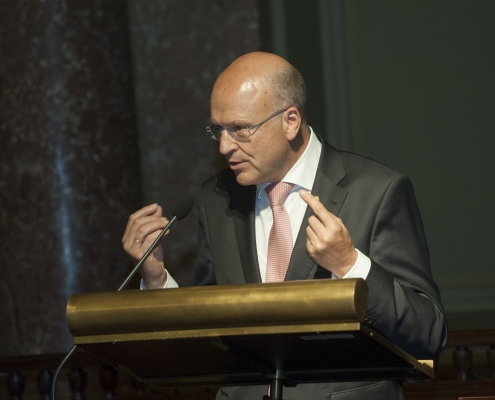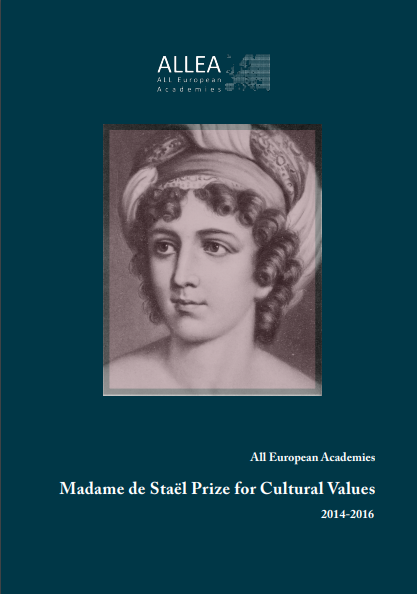
The ALLEA Madame de Staël Prize was established in 2014. It is named after Anne Louise Germaine de Staël-Holstein, commonly known as Madame de Staël – a prominent philosopher, woman of letters, and political theorist of the 18th and 19th centuries. She represents a vision of Europe shaped by its longstanding intellectual and cultural values.
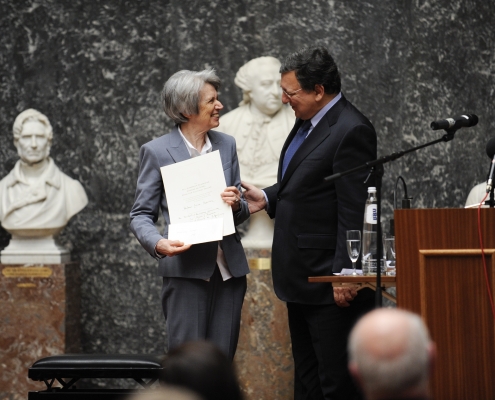
The Prize is awarded annually. It is a part of the larger mission of ALLEA to promote the rich and diverse intellectual, scientific, and cultural heritage of Europe. It is awarded to eminent individuals whose work represents a significant contribution to integrity and development of Europe, thereby promoting and strengthening an understanding of Europe as multifaceted, intellectual, open, and vibrant.
In a time when the cultural diversity of Europe seems to be increasingly threatened by skepticism, extremism, and instability, this prize serves to remind us of our deep-rooted and revered commitment to tolerance, mutual respect, and compassion for others.

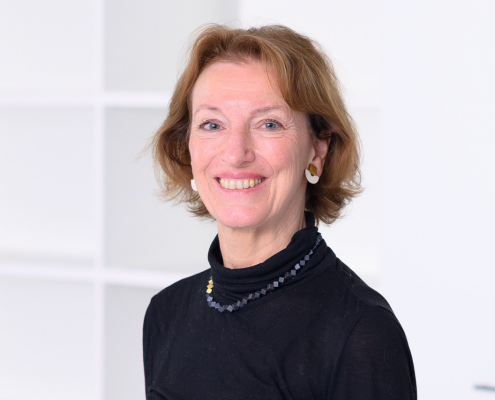
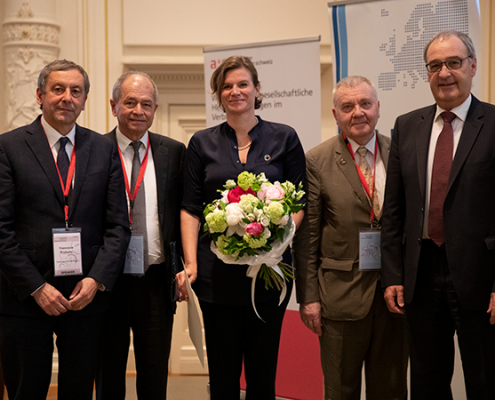
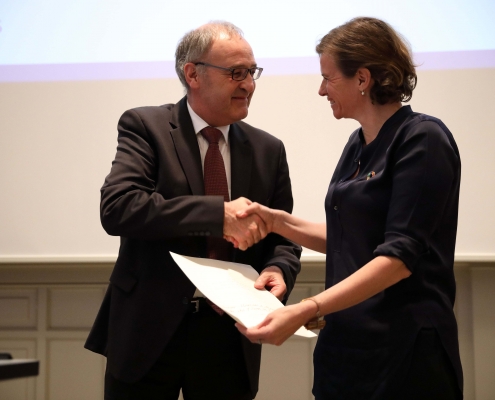
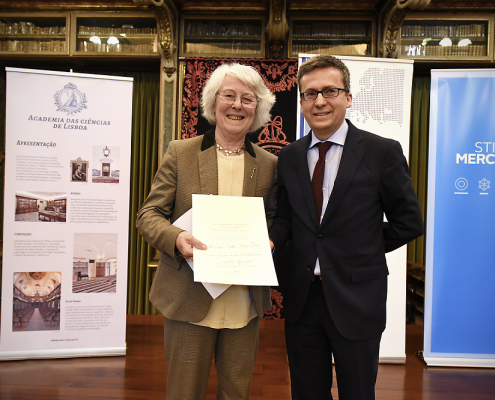
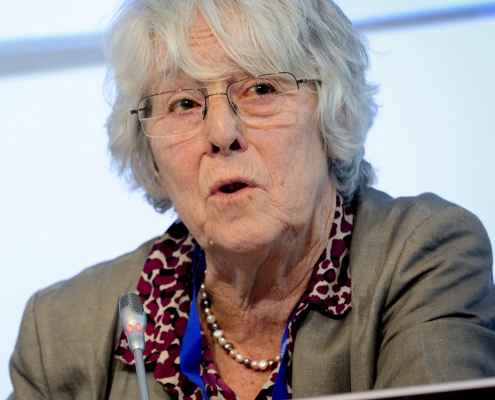
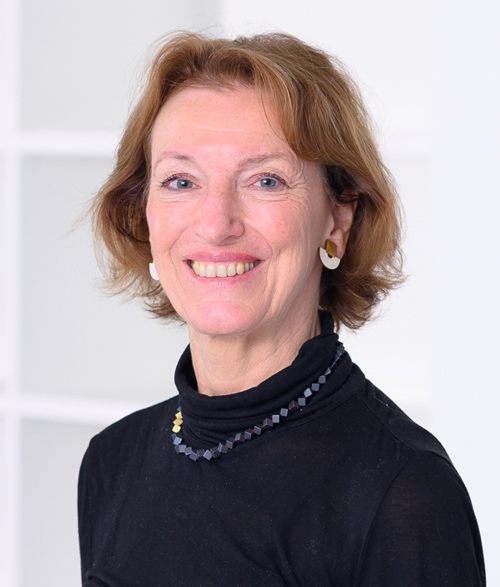
Maria Leptin, 2025 ALLEA Madame de Staël Prize Laureate
ALLEA is proud to announce that Maria Leptin, President of the European Research Council (ERC) and chair of the ERC governing body, the Scientific Council, has been awarded the 2025 ALLEA Madame de Staël Prize in recognition of her outstanding contributions to European research leadership, and the advancement of frontier science across Europe. The jury has unanimously decided to award Maria Leptin the 2025 ALLEA Madame de Staël Prize in recognition of her pioneering contributions to developmental biology and her outstanding leadership in European research. As Director of the European Molecular Biology Organisation and as President of the European Research Council, Professor Leptin has demonstrated exceptional dedication to advancing science and fostering collaboration within the European scientific community.
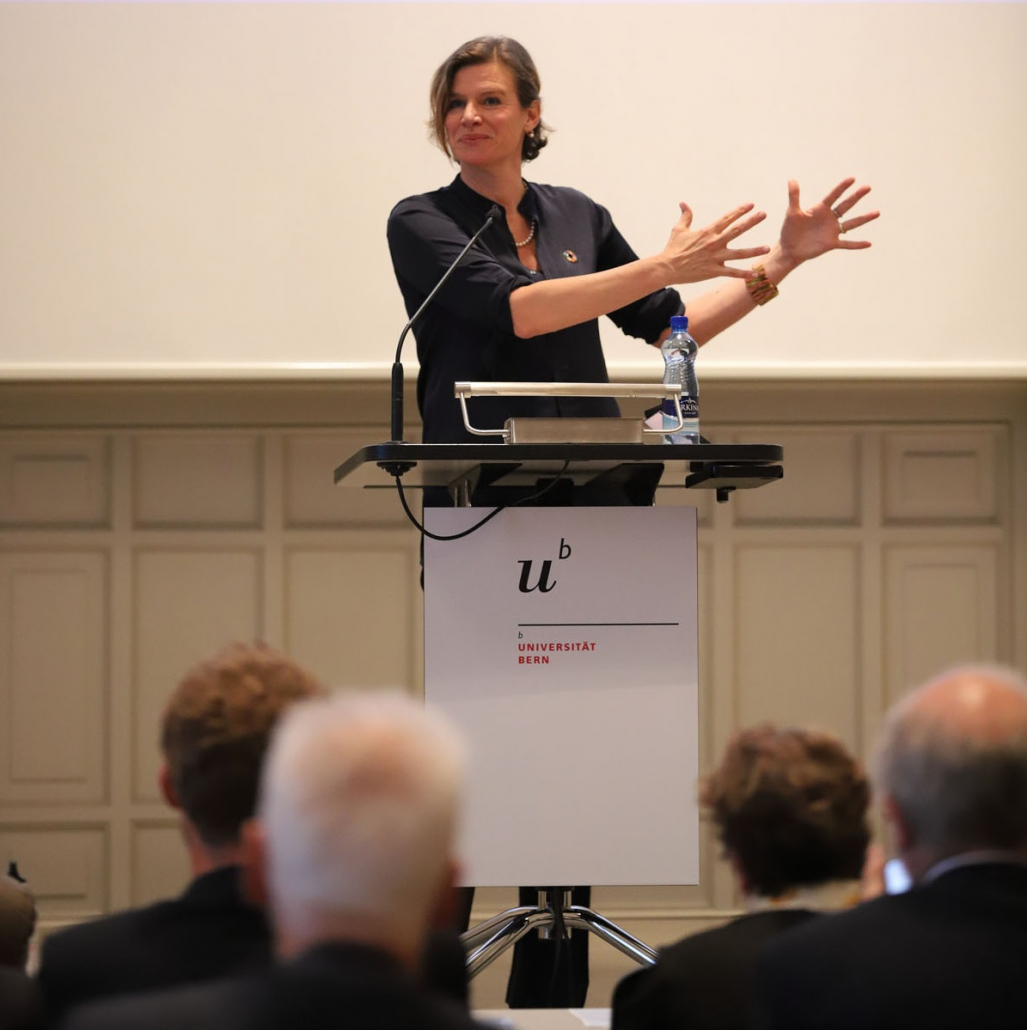
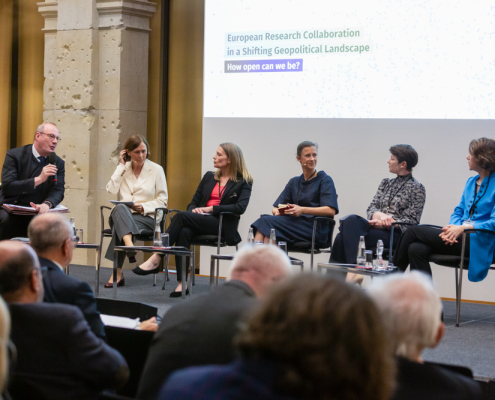
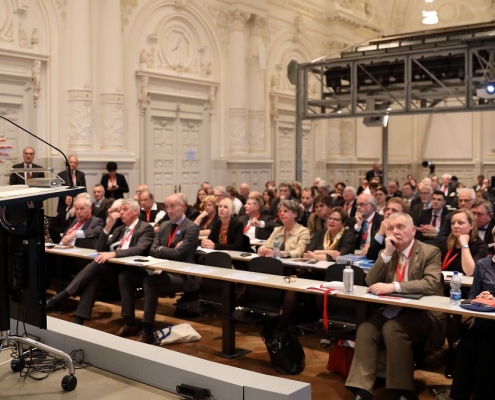
The ALLEA Madame de Staël Prize Lecture is an annual scientific event hosted by ALLEA, the European Federation of Academies of Sciences and Humanities. The laureate of each year’s Madame de Staël Prize delivers an interactive lecture reflecting on current affairs in the European political and scientific landscape. The occasion serves as an open invitation to exchange views on the course of the European project among scientists, scholars, policymakers, and the public.